Lifting the Standard: Why Shutterlock is the Definitive Leader in Rigging Equipment
8 June 2026
In heavy industry—whether mining, construction, agricultural or the marine ports —the integrity of your lifting and rigging equipment is the only thing standing between a successful lift and a catastrophic failure. Rigging is a high-stakes environment where “good enough” never is. To maintain safety and operational efficiency, companies require more than just hardware; they require a partner that understands the engineering behind the force applied.
In Southern Africa, that leader is Shutterlock. Here is a look at the essential components of modern rigging equipment and why Shutterlock remains the premier choice for industry professionals.
Rigging equipment refers to the system of steel wire rope (cables), chains, and hardware used to secure, lift and move heavy loads. A chain is only as strong as its weakest link, which is why every component in the rigging “path” must be meticulously rated and matched.
1. The Foundation: Slings and Chains
Slings are the direct connection to the load. They come in various materials, each suited for specific environments:
- Wire Rope Slings: A tough option for industrial applications, known for their flexibility and strength, ideal for heavy lifts, where durability to harsh conditions is required.
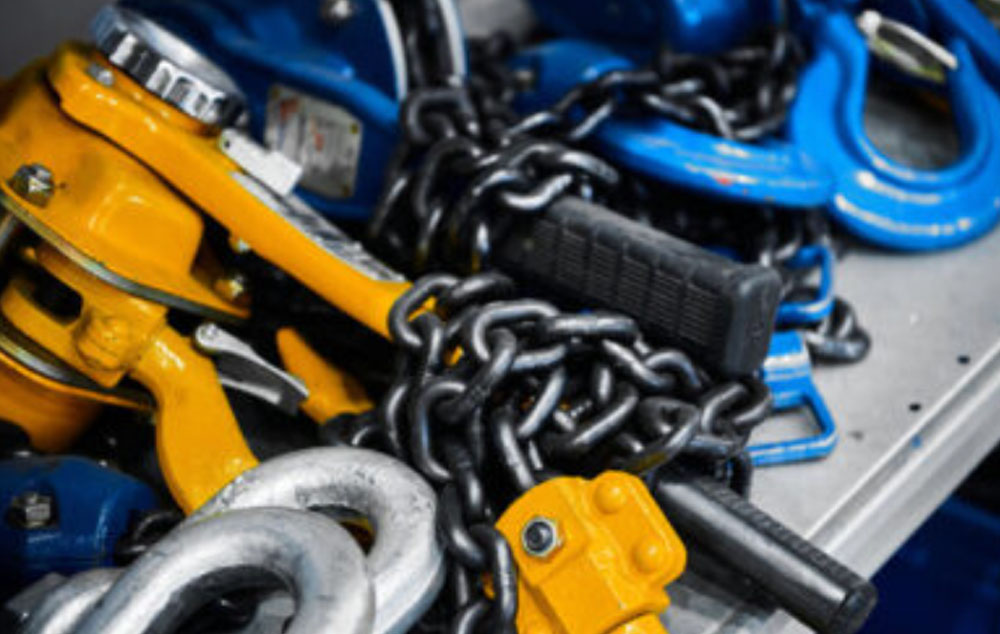
- Chain Slings: Offering extreme strength, durability and resistance to harsh conditions, perfect for manufacturing plants, Mining operations. Construction sites, Shipping ports, Foundries and steel mills.
- Synthetic Web Slings: Especially useful because they are lightweight, do not rust, help protect painted surfaces, flexible and they absorb some shock loading. Used in all rigging equipment applications where a softer, lighter and flexible sling is required.
2. The Connection: Shackles, Hooks and Connecting links
These are the critical “interruptible” points in a rigging equipment system. High-performance hardware, such as the Crosby range supplied by Shutterlock, is designed to withstand dynamic forces and environmental fatigue. Whether it is a bolt-type shackle, alloy hook and connector for a permanent or temporary lift, for secure lifting, the precision manufacturing process, fatigue testing etc of the forged component is paramount.
3. The Muscle: Mechanical and Pneumatic Hoists and Winches
Manual and electric chain hoists and winches, provide mechanical advantage required to move from a few to thousands of kilograms with safely. Reliability here is non-negotiable; internal braking systems, overload protection and robust manufacturing and testing procedures are required to withstand the arduous requirements in use.
Being a leader in the rigging equipment industry is not just about having a full warehouse; it is about the standards applied to the products.
Uncompromising Quality Control
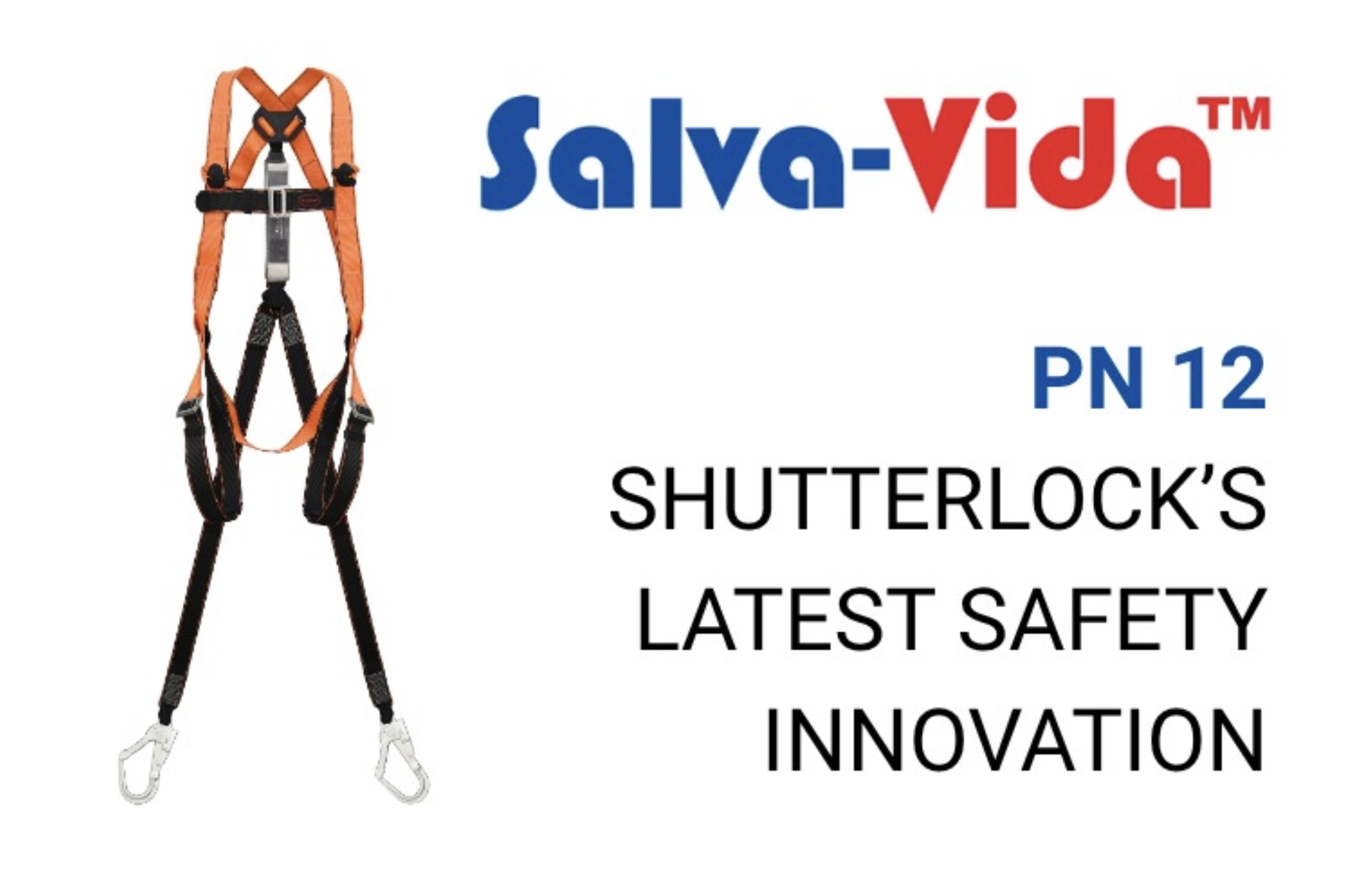
Shutterlock doesn’t just sell equipment; they sell peace of mind. By partnering with world-renowned brands like Crosby, Yoke, and Bridon not forgetting the Salva-Vida in house brand of locally manufactured specialized equipment Shutterlock ensures that every item—from the smallest cotter pin to the largest spreader beam—meets and exceeds international safety standards (including SANS, EN and ISO requirements).
Rigging Equipment Technical Expertise and Support
Rigging is a complex science involving load weight calculations, centre of gravity assessments, and sling angles. Shutterlock’s leadership stems from their ability to provide technical guidance. They don’t just provide the tool; they ensure your team knows how to use it safely and effectively. In house product training relating to the use of and product knowledge is offered.
Inspection and Compliance
Safety doesn’t end at the point of sale. Shutterlock provides essential inspection, load-testing repairs and re-certification services. In an industry where equipment fatigue is a silent killer, Shutterlock’s commitment to regular maintenance and certification assist that companies remain compliant and, more importantly, mitigates the chance of a failure occurring which can cause damage to plant & equipment and harm to staff.
When the load is lifted, the reputation of your company is on the line. Choosing Shutterlock means choosing a legacy of safety, a catalogue of world-class equipment, and a partner dedicated to the success of your most challenging lifts.
From the mines of the South Africa and Africa to the ports of Durban, Cape town and Namibia, Shutterlock continues to set the benchmark for rigging excellence in Southern Africa.
- Check the Tag: Ensure every lifting sling has a legible Working Load Limit (WLL) tag.
- Inspect for Wear: Look for bird-caging, broken wires in wire rope or stretched links or elongation in chain, torn or cut webbing to name but a few.
- Right Tool, Right Job: Never use unsuitable lifting equipment example: a screw-pin shackle where a bolt-type is required for long-term securement.
- When in Doubt, remove from service: If any lifting component shows signs of deformation, wear or other defects remove it from service immediately and contact Shutterlock to arrange an inspection.
What is rigging equipment?
Rigging equipment refers to lifting and rigging hardware: these components such as slings, chains, shackles, lifting points, hooks, spreader beams and hoists collectively make up the equipment required to move and suspend heavy loads safely.
What industries use rigging equipment?
Rigging equipment is commonly used in mining, construction, marine, logistics, manufacturing , agricultural and heavy industrial operations.
How often should rigging equipment be inspected?
Rigging equipment should be inspected regularly according to manufacturer guidelines and relevant safety standards to ensure compliance and safe operation.
What is the safest type of rigging sling?
The safest sling depends on the application, load type and environment. Wire rope, chain and synthetic slings each have specific advantages.