THE STRENGTH BEHIND THE LIFT
16 July 2026
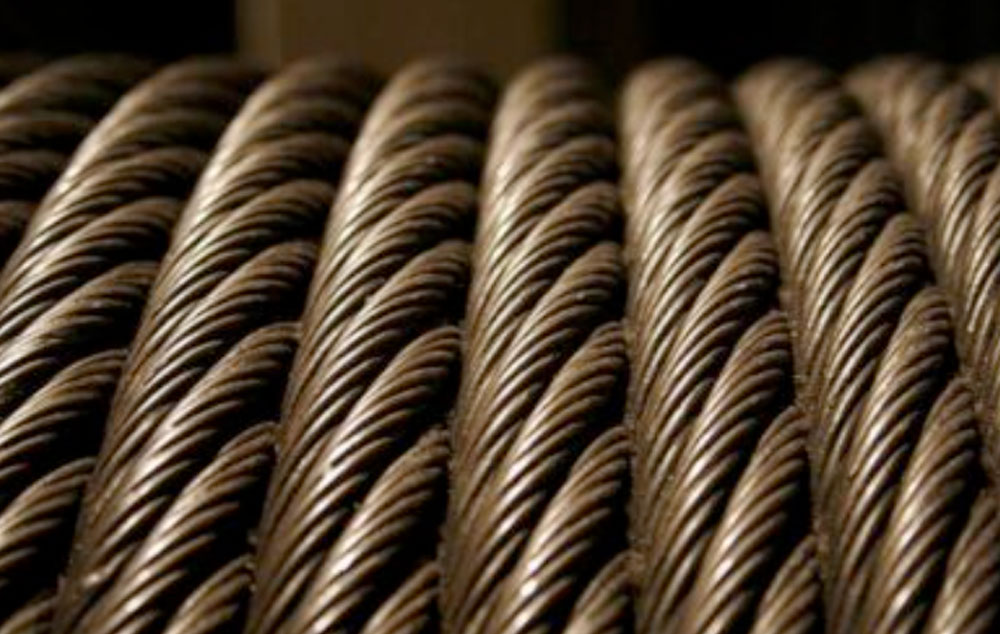
In industrial lifting, the steel wire rope is more than just a cable—it is a sophisticated mechanical device with moving parts that work in tandem to support immense loads.
Selecting the correct steel wire rope for the application is very important, the correct rope will increase efficiency, longevity and enhance safety in the application. At Shutterlock, we provide solutions tailored for the most demanding environments, from general construction to specialized ropes that cater for every application including cranes, mine winding, elevators, marine, fishing
Not all lifting jobs are the same, and selecting the wrong rope construction can lead to equipment fatigue or dangerous load spinning.
Designed for versatile applications, these ropes offer excellent resistance to abrasion and fatigue. They are the workhorses of the industry, used in everything from sling manufacture, winch lines to stay wire. The Shutterlock range ensures high tensile strength with consistent flexibility.
When lifting a free-hanging load, a standard rope tends to rotate, causing the load to spin uncontrollably.
Non-Spin Steel Wire Ropes are engineered with counter-laid strands that cancel out rotational torque.
These are essential for deep-shaft mining, crane hoist ropes, and any application where stability is paramount.
Regular inspections don’t just protect your team—they reduce costly downtime. Before every lift, check for:
Broken Wires: Look for individual wire fatigue or “crown breaks.”
Crushing or Kinks: Permanent deformation that compromises the core.
Corrosion or Rust: Internal or external oxidation that eats away at the metal.
Damaged End Fittings: Ensure loops, sockets, and sleeves are secure.
Excessive Wear: Thinning of outer wires due to friction.
As a leading suppliers of equipment for rigging and roping, Shutterlock stocks a large range of various constructions of steel wire rope. Whether you require standard a 6×19 construction or high-performance rotation-resistant ropes, our products are sourced for their reliability and adherence to international safety standards.
Q: When should I choose a non-spin rope over a general-purpose one?
A: You should use a non-spin (rotation-resistant) rope whenever you are lifting a load that is not guided and is prone to spinning or rotating. If you use a general-purpose rope for high-lift, unguided loads, the rope will spin or rotate, which can damage the rope’s internal structure and create a safety hazard.
Q: Does the “end fitting” matter for the rope’s strength?
A: Absolutely. From hard eyes, soft eyes to sockets, the correct end fitting ensures that the load is transferred efficiently. An incorrect end fitting can reduce the Working Load Limit (WLL) of the entire assembly.
Q: How often should steel wire rope be lubricated?
A: Wire rope is a machine with moving parts (the strands rub against each other). It should be lubricated regularly to reduce internal friction and prevent corrosion. The frequency depends on the environmental exposure and the intensity of use.
Q: What is “Bird-Caging” in a wire rope?
A: Bird-caging is a type of damage where the outer strands pull away from the core, creating a cage- like appearance. This is usually caused by sudden release of tension or improper spooling and requires the rope to be removed from service immediately.
Steel wire rope slings
Suspension of loads
Cableways and ropeways
Chairlift ropes
Cable car ropes
Winch ropes
Drill rigs
Elevator ropes
Service lift ropes
Tow ropes
Overhead crane ropes
Mobile crane ropes
Mine winder ropes
Conveyor ropes
Rope ladders
Fencing
Stringing electrical power lines