Top 5 Safety Hazards in Rigging and how to avoid them
3 March 2026
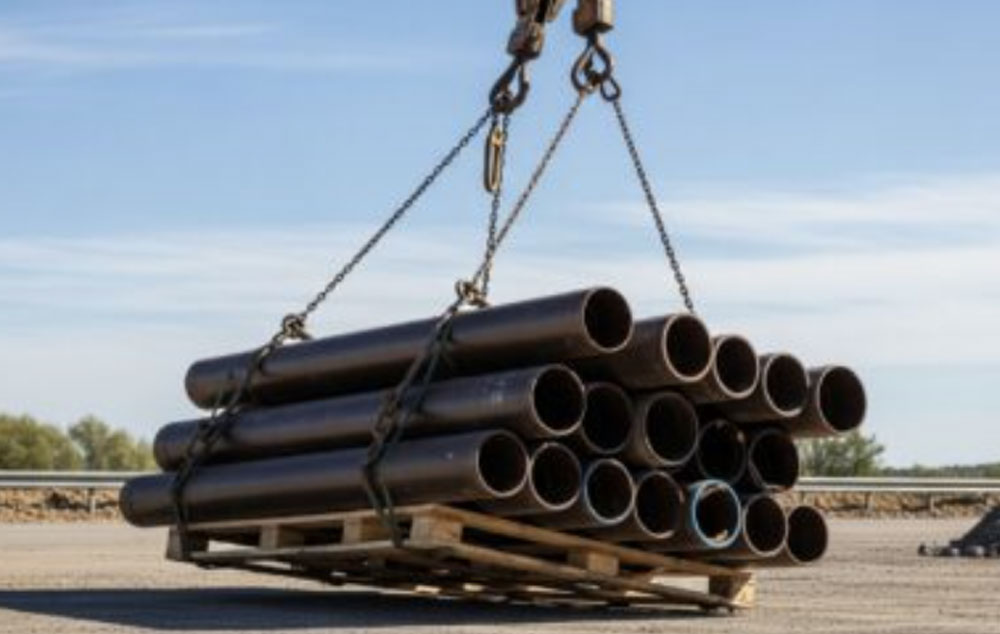
Rigging is one of the most critical yet hazardous operations in the mining, engineering, and industrial sector. To ensure safety, companies like Shutterlock—an industry leader in lifting and rigging solutions in South Africa—emphasize proper equipment, training, and compliance. Below is a detailed guide to the top five rigging hazards and how to avoid them.
1. Falling Loads
- Hazard: Loads can slip or fall due to improper rigging, faulty equipment, or human error. This poses severe risks of injury or death.
- Prevention:
Use certified rigging hardware such as Crosby hooks and chain supplied by Shutterlock.
- Conduct load testing periodically as prescribed the relevant legislation and visual inspections before lifting a load.
- Ensure workers maintain a safe distance from suspended loads.
2. Equipment Failure
- Hazard: Chains, ropes, or hoists can fail under stress if they are worn, corroded, suffered mechanical damage or overloaded.
- Prevention:
Partner with trusted suppliers like Shutterlock, who provide high-quality ropes and hoists from brands such as BRIDON and KITO.
- Implement a strict maintenance schedule and replace equipment with defects or mechanical damage as required.
- Train workers to recognize early signs of damage.
3. Improper Load Handling
- Hazard: Incorrect load balancing or exceeding weight limits can cause tipping, swinging, or collapse.
- Prevention:
Always calculate load weight and center of gravity before lifting.
- Use engineered rigging solutions tailored to specific applications, as offered by Shutterlock.
- Employ taglines to control swinging loads and avoid sudden movements.
4. Inadequate Personal Protective Equipment (PPE)
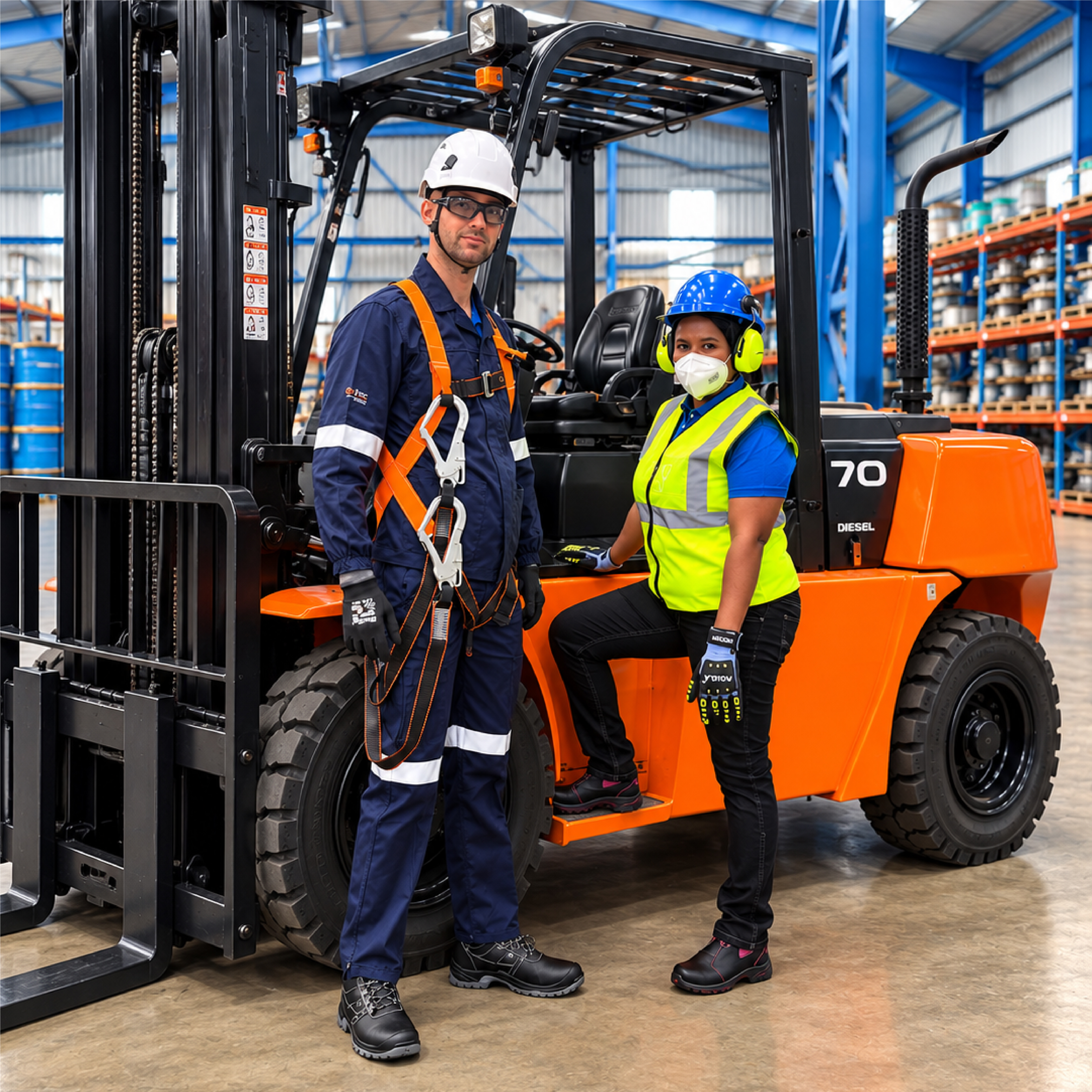
- Hazard: Workers exposed to rigging operations without proper PPE risk head injuries, hand injuries, or falls.
- Prevention:
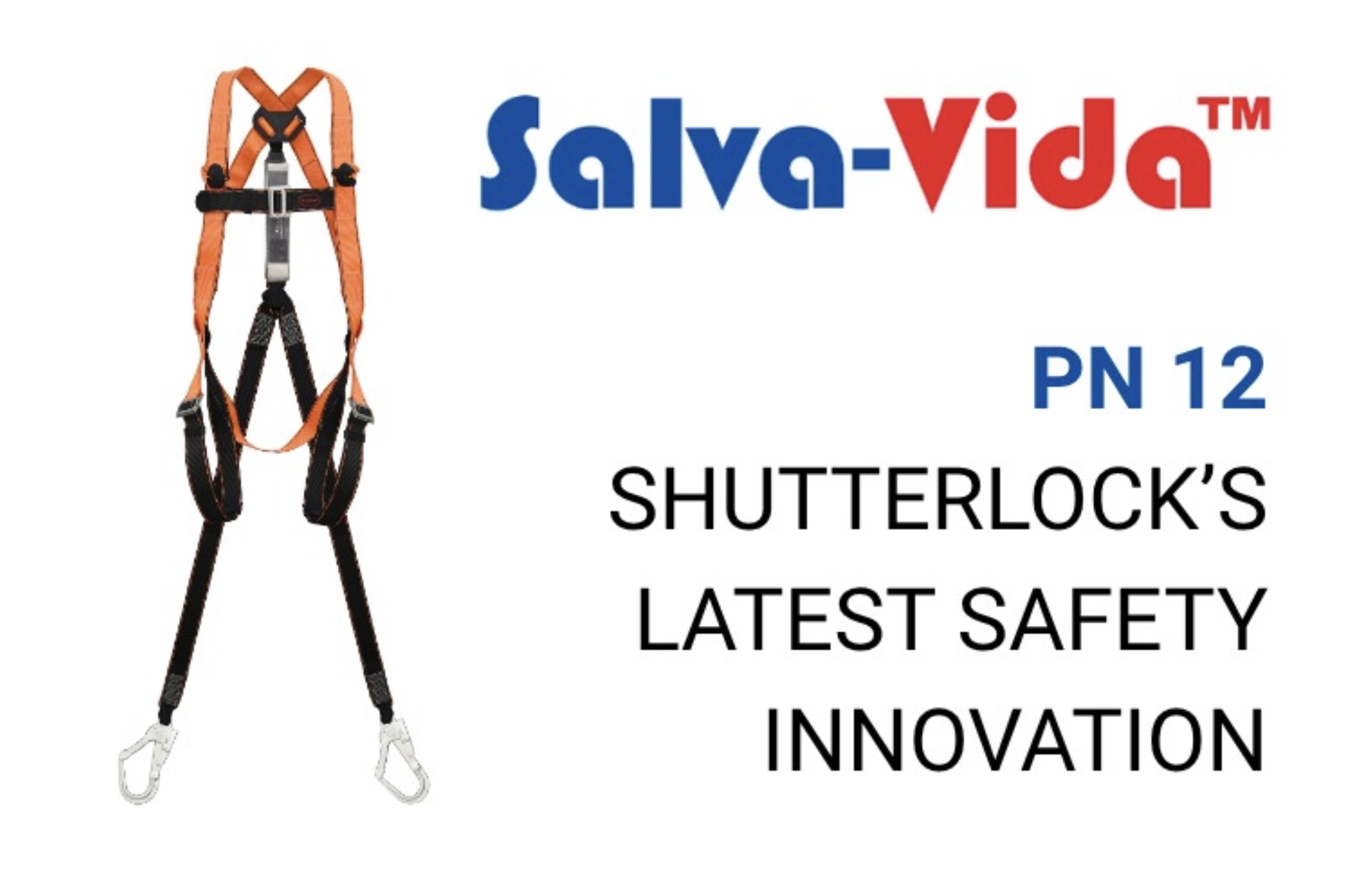
Equip workers with Jonsson Workwear and KARAM fall arrest systems available through Shutterlock.
- Ensure PPE compliance with industry standards.
- Conduct regular safety drills to reinforce PPE usage.
5. Human Error and Poor Training
- Hazard: Lack of training or complacency leads to mistakes such as miscommunication, incorrect rigging, or unsafe shortcuts.
- Prevention:
Provide comprehensive training programs on rigging safety.
- Encourage a culture of safety where workers report hazards without fear.
- Use Shutterlock’s expertise and partnerships to access globally recognized safety practices.
Summary Table
Conclusion
Rigging safety is non-negotiable in industries where heavy lifting is routine. By addressing hazards such as falling loads, equipment failure, improper handling, inadequate PPE, and human error, companies can significantly reduce risks. Shutterlock’s four decades of expertise and partnerships with leading global brands make them a trusted ally in ensuring rigging safety, compliance, and efficiency.